
What to Do When You Need a Respectful Farewell for Your Pet
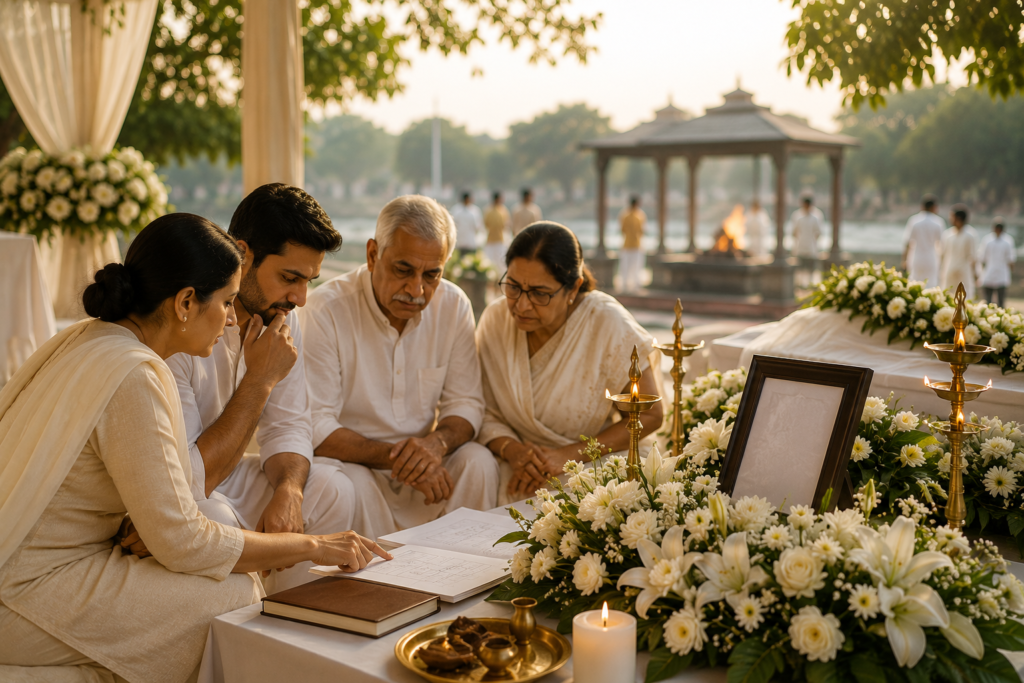
Losing a pet can be deeply painful. For many people, a dog, cat, or another companion animal is an important part of the family, which makes saying goodbye an emotional experience. During such a difficult moment, families often want to give their pet a peaceful and respectful farewell. They may need help understanding the available arrangements, finding the right place for the final rites, or gathering the materials required for a traditional ceremony. Legacy Lane provides support for families looking for respectful farewell arrangements in Delhi. Its services are designed to make difficult moments easier by helping with practical arrangements and giving families the space to grieve. Why a Thoughtful Farewell Matters A farewell ceremony can provide a sense of closure after the loss of a beloved pet. It gives family members an opportunity to come together, remember the companionship they shared, and say goodbye in a meaningful way. The way a farewell is conducted depends on personal beliefs and family preferences. Some people may want a simple cremation, while others may prefer a more traditional ceremony with specific rituals and offerings. For families searching for Pet Memorial Services in Delhi, having a service provider that understands the emotional importance of the occasion can make the process less stressful. What Can Be Included in a Pet Farewell? There is no single way to remember a pet. Some families may want a quiet farewell, while others may wish to create a more organized memorial. Depending on individual preferences, arrangements can include transportation, cremation related support, flowers, ceremonial items, photographs, or a small remembrance gathering. The most important part is that the farewell should feel appropriate for the family and reflect the relationship they had with their pet. Understanding Traditional Ceremony Requirements Families who follow Hindu traditions may already be familiar with the importance of specific materials during religious ceremonies. When a farewell involves traditional rituals, having the appropriate items prepared beforehand can make the ceremony easier to conduct. People looking for Antim Sanskar Samagri in Delhi may need assistance finding the required materials without having to visit several different shops during an emotional period. Preparing the necessary items in advance can also help avoid last minute stress and allow the family to concentrate on the ceremony itself. When You Need Arrangements Quickly The loss of a pet can happen unexpectedly. In such circumstances, families may not know whom to contact or what should be arranged first. A practical approach is to first understand the available options for transportation and cremation. After that, the family can decide whether they want a simple farewell or a ceremony involving particular religious customs. For those considering Pet Memorial Services in Delhi, prompt assistance can be especially valuable when arrangements need to be made on the same day or within a short period. Making the Farewell Personal A memorial does not have to be elaborate to be meaningful. Sometimes, simple gestures can carry the most emotional value. Families may choose to keep a photograph, prepare a small floral tribute, play a familiar piece of music, or share memories of their pet. Others may want a more traditional ceremony that reflects their beliefs. There is no right or wrong way to say goodbye. What matters is creating a farewell that gives the family a sense of peace and honors the place the pet held in their lives. Preparing the Required Samagri For families following traditional rituals, knowing what materials are required can be difficult, especially when they are dealing with grief. Antim Sanskar Samagri in Delhi can help families obtain the basic materials needed for the ceremony in one place. This can save time and reduce the number of practical tasks that need to be handled during an already emotional day. It is still useful to confirm the exact requirements beforehand because the materials needed may vary depending on the type of ceremony and individual family customs. Support Can Make a Difficult Day Easier When someone loses a pet, emotional grief is often accompanied by several practical decisions. Families may need to arrange transportation, decide on cremation, prepare ceremonial materials, and determine how they want to remember their companion. Having organized support can make these decisions easier. Instead of trying to manage everything independently, families can seek assistance for the parts of the farewell that require immediate attention. Legacy Lane focuses on providing funeral and farewell related support with sensitivity and care. Its wider services include transportation, cremation arrangements, religious support, ceremony requirements, and other assistance for families during difficult moments. Remembering a Pet After the Farewell The farewell ceremony may last only a short time, but the memories of a pet can remain with a family for many years. A photograph, framed memory, memorial artwork, or a personal keepsake can provide a lasting reminder of the companionship shared. Some families may also choose to create a small memorial space at home. For families who want Pet Memorial Services in Delhi, the goal is not simply to complete the final arrangements. It is to create a respectful moment that acknowledges the bond between the family and their pet. A Gentle Goodbye Can Bring Comfort Saying goodbye to a pet is never easy. A thoughtful farewell cannot remove the sadness of the loss, but it can provide families with a peaceful way to honor a companion who was part of their everyday lives. Whether the family wants simple arrangements, traditional rituals, or help with Antim Sanskar Samagri in Delhi, planning the farewell with care can make a difficult experience feel a little more manageable. The most meaningful farewell is one that reflects the love, memories, and companionship shared throughout the pet’s life.